How AI dev tools work, how to build with them in Java, and how to secure them.
Mechanism over hype. Written, searchable breakdowns of the AI stack developers actually ship — Claude, MCP, coding agents, tokens, context, VS Code internals, and building production AI in enterprise Java with Spring AI — plus the AI security that protects them (OWASP LLM Top 10, MITRE ATLAS, NIST AI RMF). Every tutorial is paired with a video.
🆕 New video · Oct 14
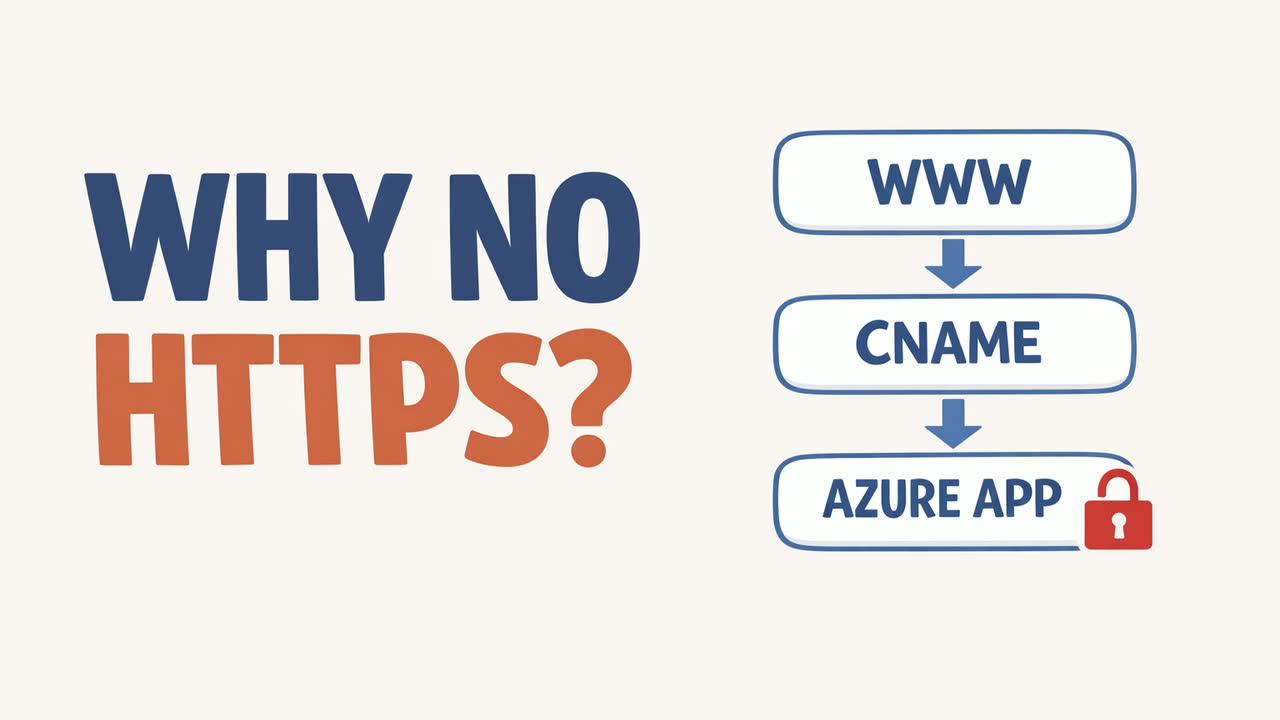
Azure Custom Domain Not Working? DNS, CNAME, TXT Records and HTTPS on App Service
Your app works at azurewebsites.net but not at www.contoso.com. Point it, verify it, secure it, debug it: CNAME, asuid TXT, the root, managed certificates, Front Door and _dnsauth.
Start here: what do you want to do?
Pick a goal and follow a short, ordered path. All learning paths →
- I build Spring Boot apps and want to know what happens to a request
- I deploy to Azure and Kubernetes and need to know why traffic or secrets fail
- I use AI coding tools and want to know how they actually work
- I'm adding AI to a Java / Spring Boot application
- I need to secure an AI system
- My AI bill is too high
- I'm preparing for the Claude Certified Architect exam
★ Most popular
The cornerstones — the best entry points into the catalog.
-
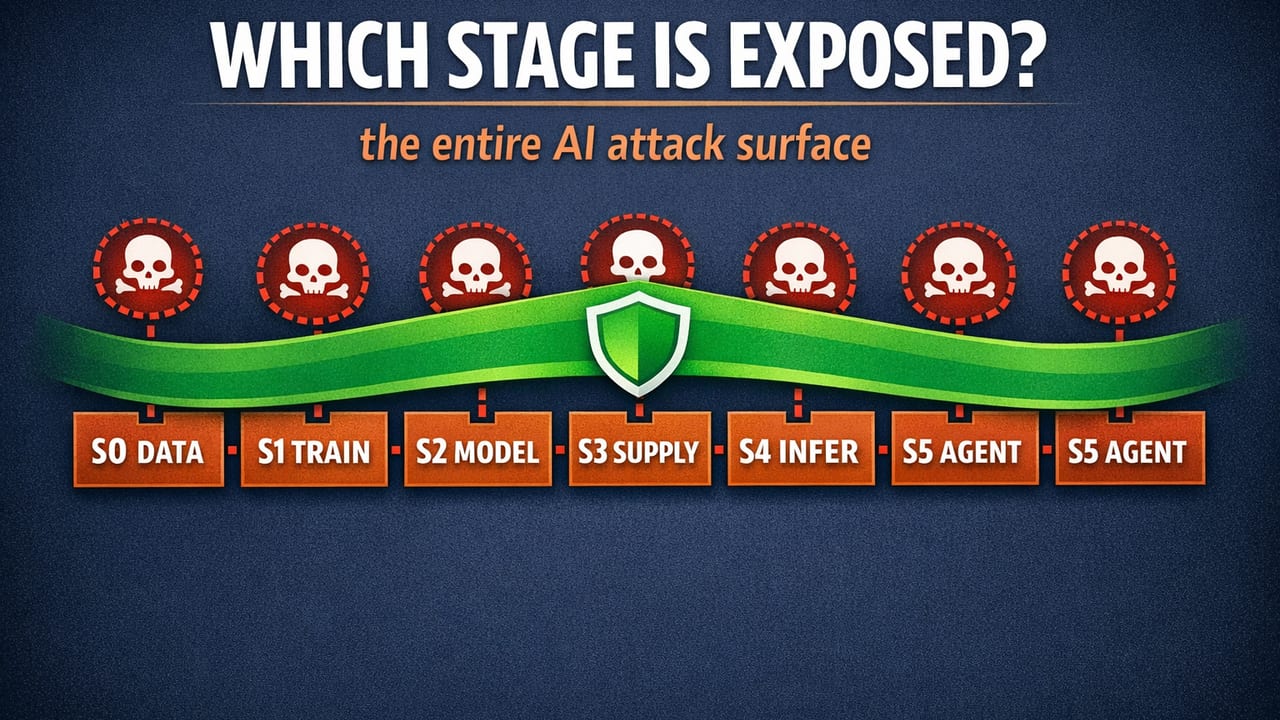
The AI Attack Surface Explained: The Mental Model for Securing AI
Learn the 6-stage AI pipeline attack surface—from data poisoning to excessive agency—mapped to OWASP LLM Top 10 2025, MITRE ATLAS, and NIST AI RMF.
ai attack surfaceowasp llm top 10 2025mitre atlasnist ai rmf -

What Is Spring AI? The Enterprise Java Framework for Calling Any AI Model
Spring AI 2.0.0 explained for Java/Spring Boot teams: what it is, why it's not just an LLM wrapper, and a working ChatClient demo in 10 lines.
spring aispring ai tutorialchatclientspring boot ai -
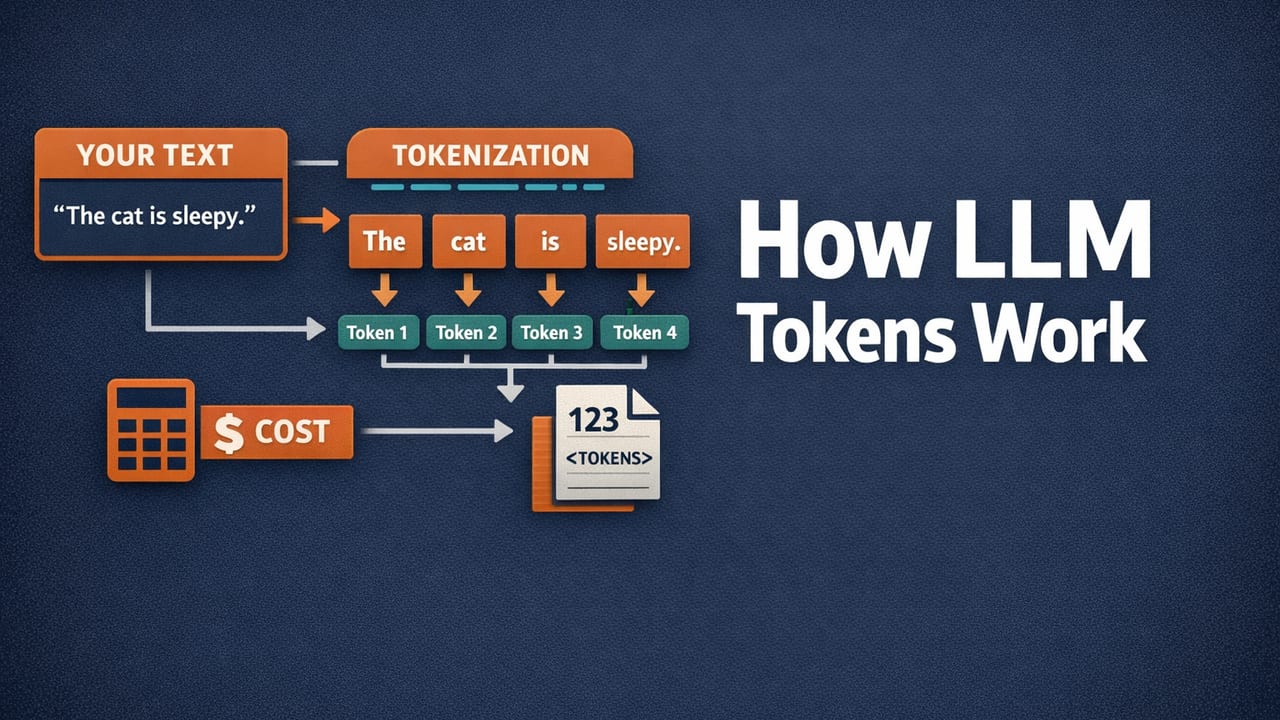
How LLM Tokens Work — And Why They Explain Your AI Bill
Claude never reads your words — it reads tokens. Understand tokenization, why it drives every dollar of your AI bill, and the letter-counting bug it creates.
tokenstokenizationllm costclaude api -
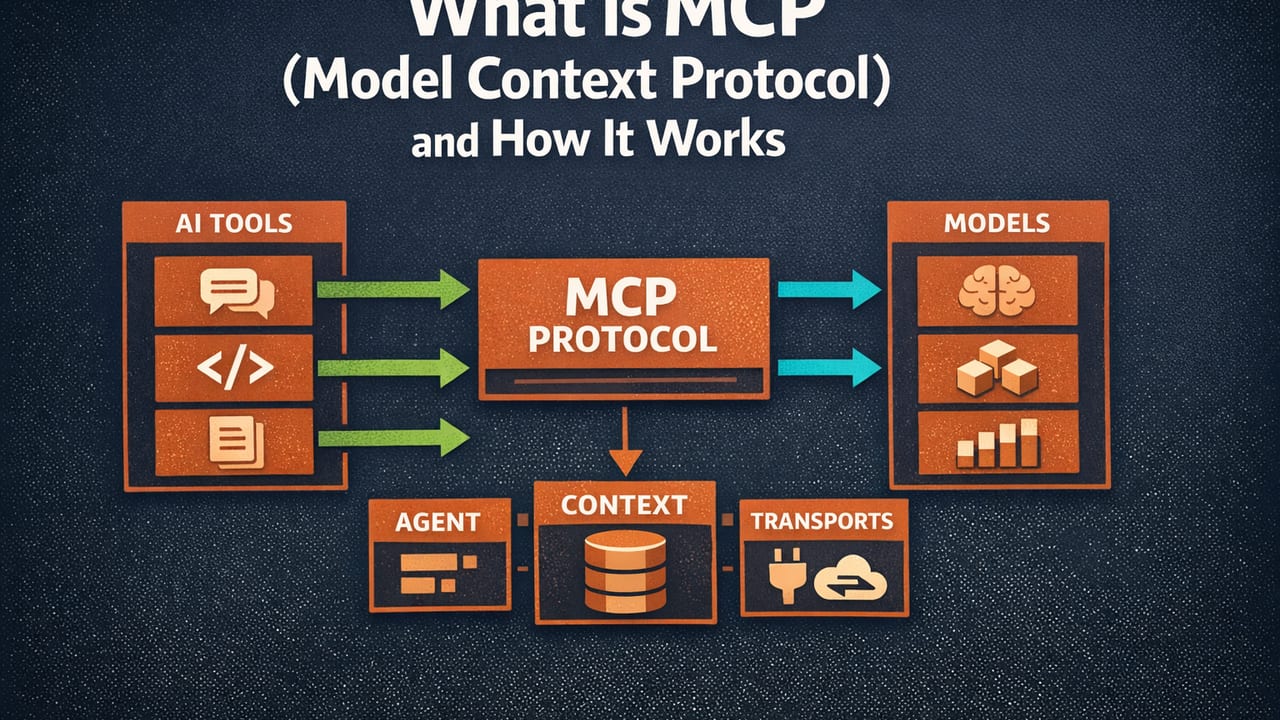
What Is MCP (Model Context Protocol) and How It Works
MCP is the USB-C moment for AI tools: one open protocol that collapses N×M custom integrations into N+M. Learn the three roles, three primitives, and two transports.
model context protocolMCPAI tool integrationClaude Code -
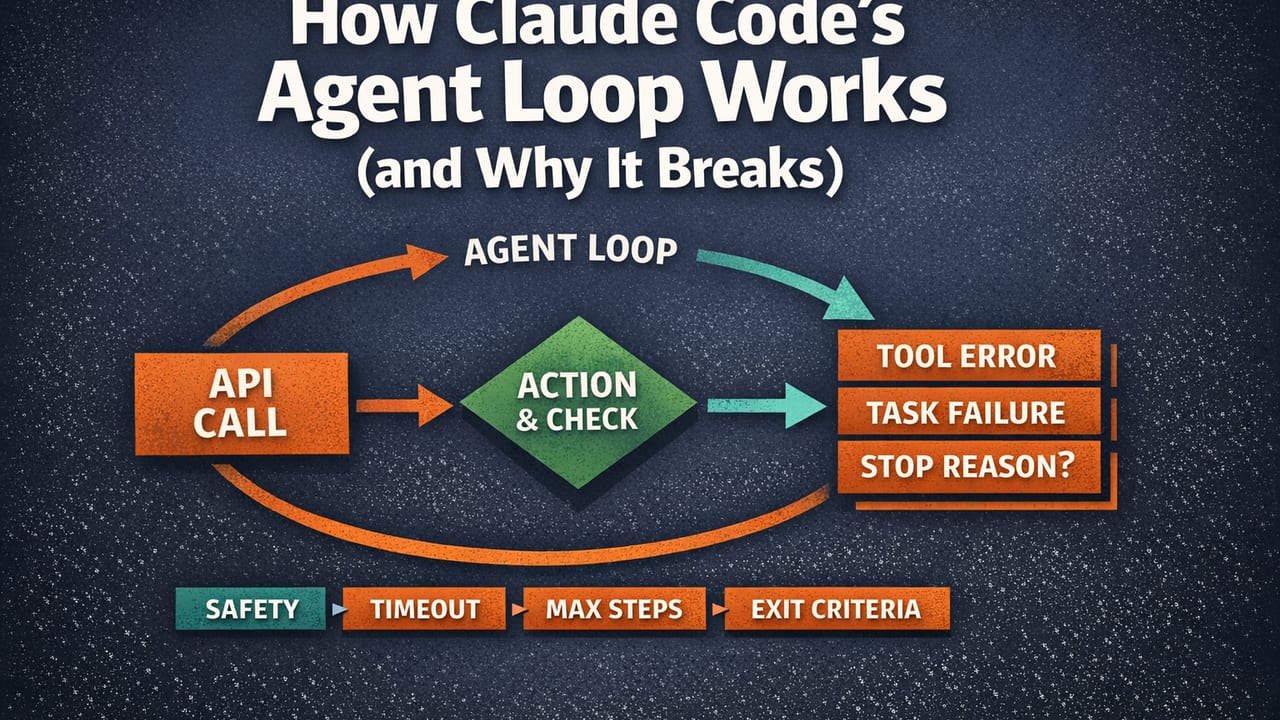
How Claude Code's Agent Loop Works (and Why It Breaks)
The agent loop is a while cycle around one API call. Learn how it runs, how it breaks in three classic ways, and the four code-level controls that keep it on track.
agent looptool usestop_reasonclaude code -
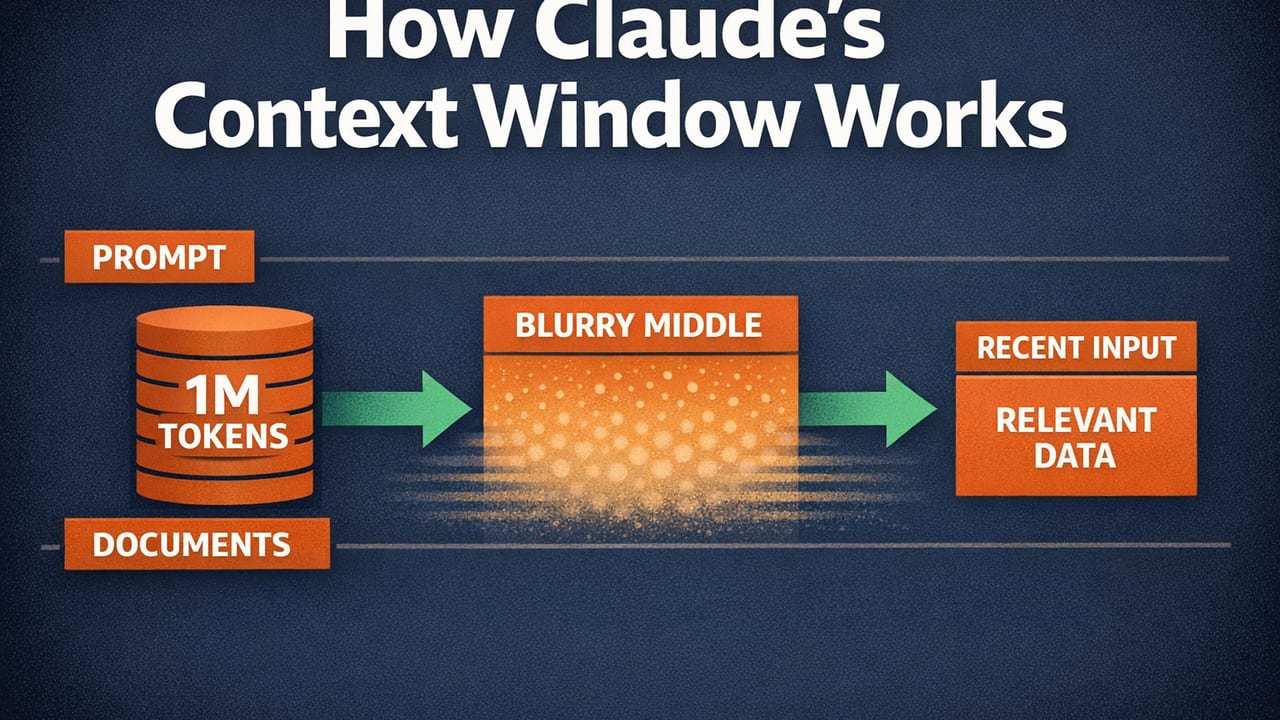
How Claude's Context Window Works: Limits, Costs, and Overflow
What fills Claude's context window, which models get 1M tokens, why the middle degrades, and how to design around all three constraints.
context windowlost in the middleclaude tokenslong context llm -
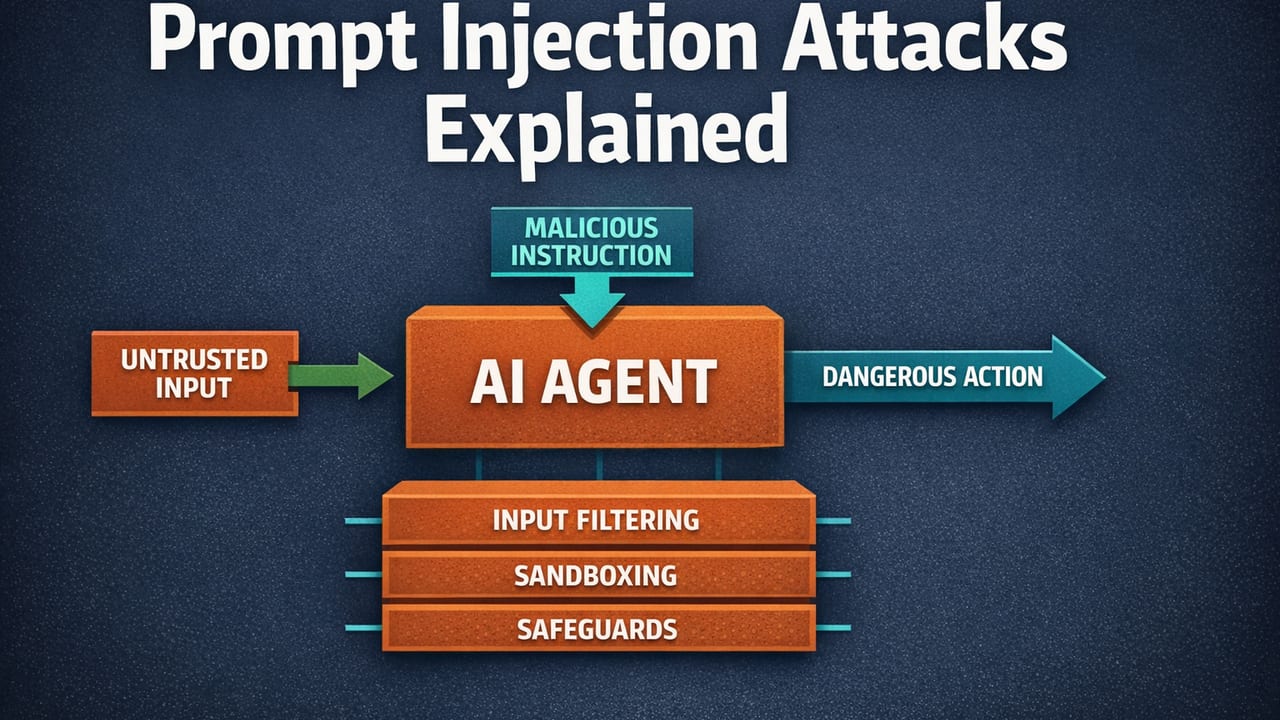
Prompt Injection Attacks Explained: How to Defend Your AI Agent
How untrusted content becomes agent commands, why indirect injection is the dangerous case, and the three layered defenses every production agent needs.
prompt injectionindirect prompt injectionai agent securityllm security -
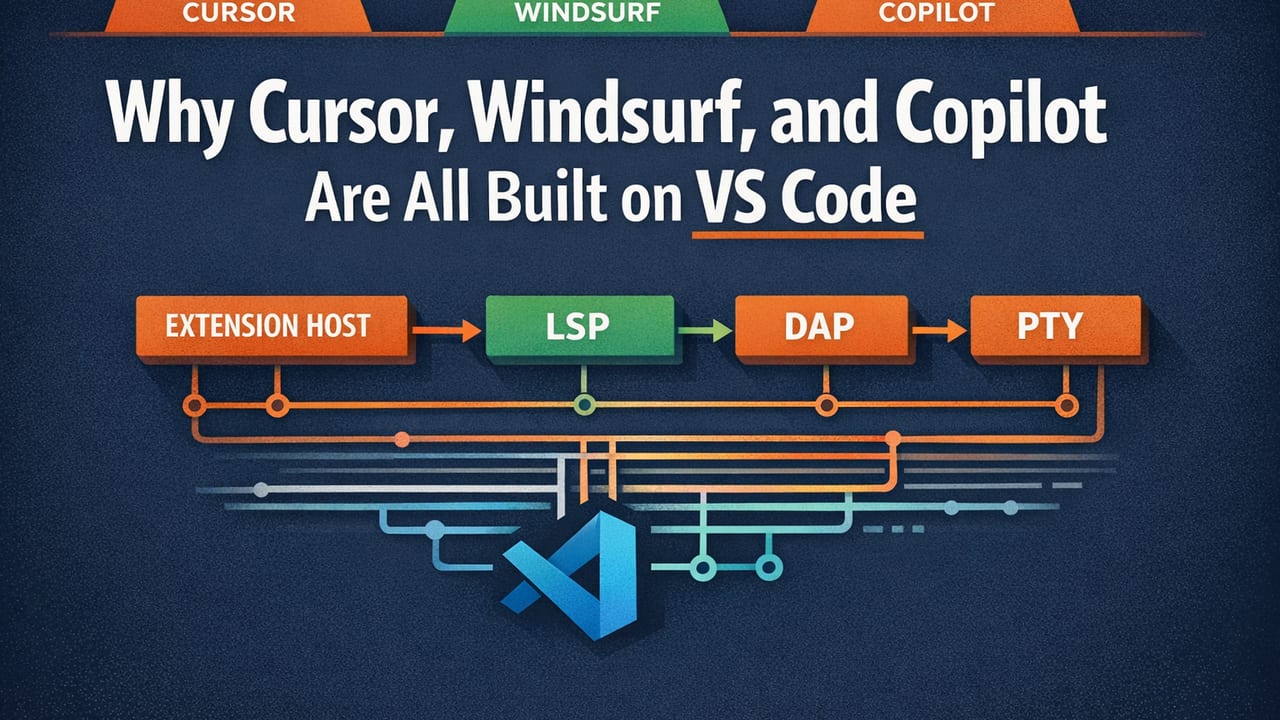
Why Cursor, Windsurf, and Copilot Are All Built on VS Code
How VS Code's multi-process architecture — extension host, LSP, DAP, pty — became the shared skeleton under every major AI code editor.
vs code architectureextension hostlanguage server protocolcursor windsurf copilot
🆕 Latest tutorials
Freshly published — newest first.
-
Azure Custom Domain Not Working? DNS, CNAME, TXT Records and HTTPS on App Service
Your app works at azurewebsites.net but not at www.contoso.com. Point it, verify it, secure it, debug it: CNAME, asuid TXT, the root, managed certificates, Front Door and _dnsauth.
Oct 14 -
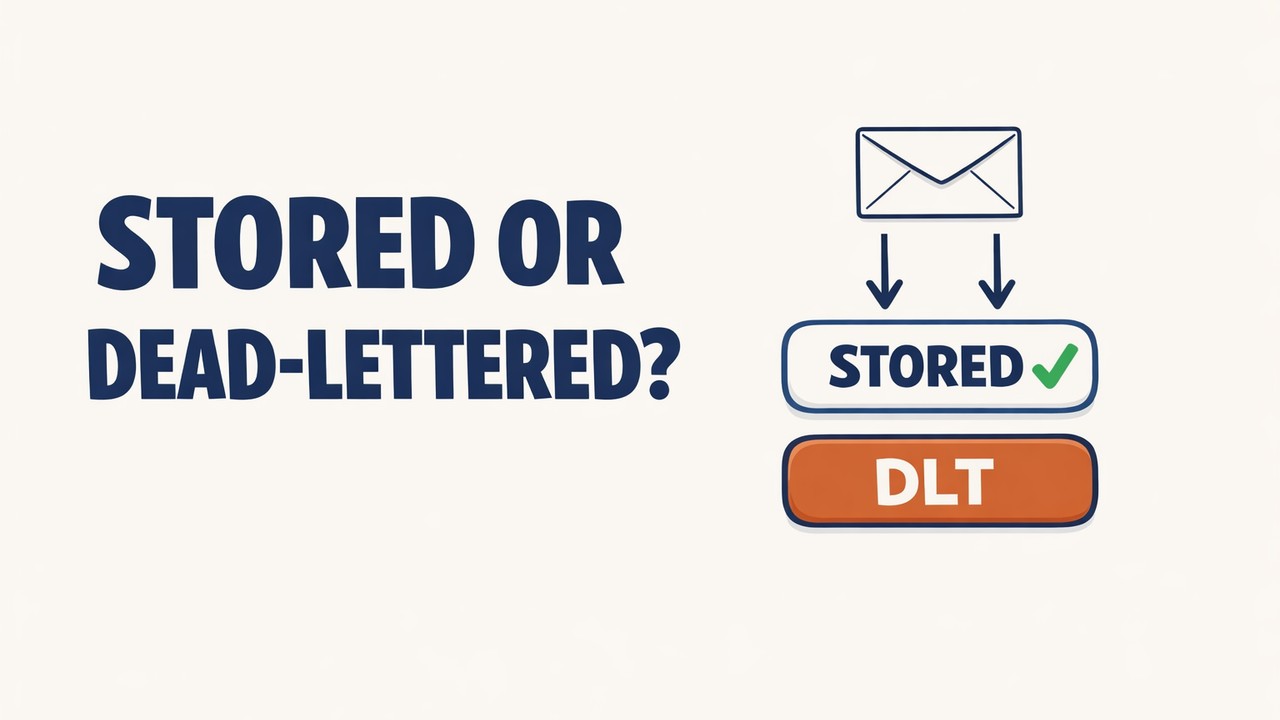
Kafka to Database: Why a Message Gets Dead-Lettered or Hits a Duplicate Key (Event Hubs)
Six order messages from Azure Event Hubs through a Spring Kafka listener into two tables: which ones are stored, which go to the dead-letter topic, and why one hits a duplicate key.
Oct 12 -
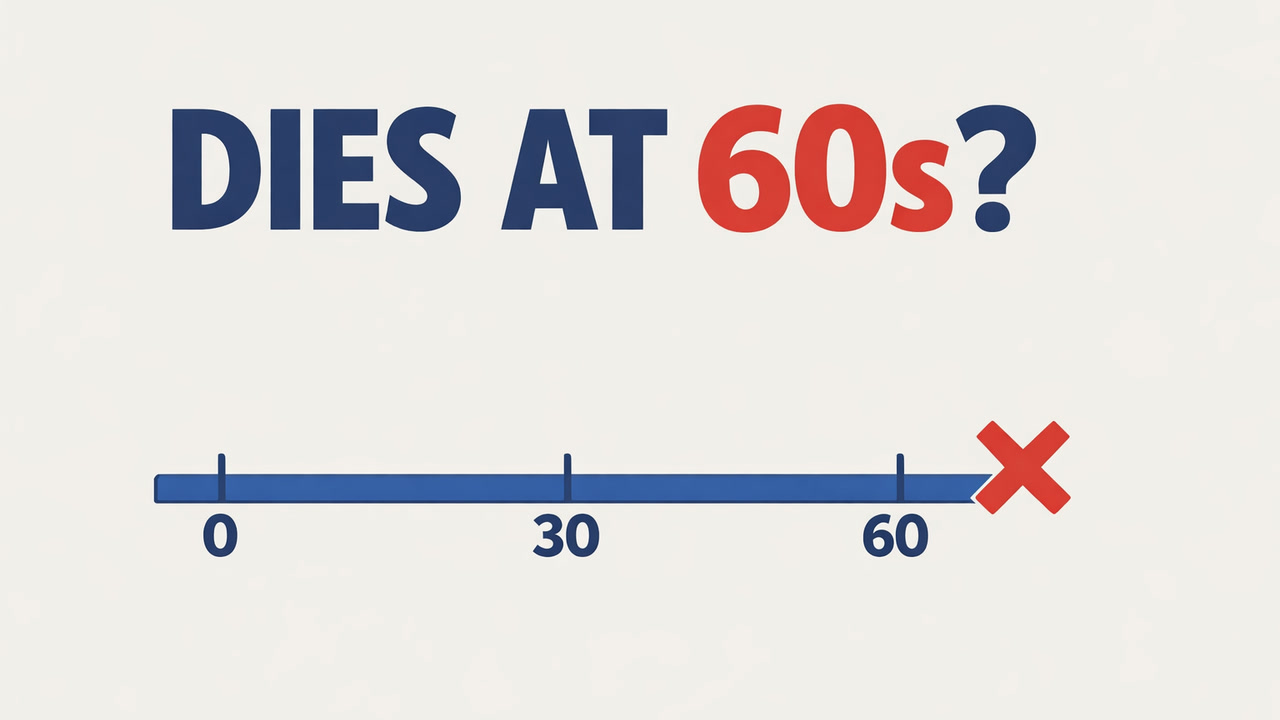
Why Your WebSocket Disconnects After 60 Seconds: Spring Boot Behind NGINX
One WebSocket through Application Gateway, NGINX, Tomcat and Spring: the missing Upgrade headers, proxy_read_timeout's 60 seconds, the gateway's 20, and why the browser says 1006.
Oct 7 -
WebSocket 1006, 101 and Ping/Pong Explained: The Words Before the Deep Dive
The WebSocket vocabulary in one map: ws vs wss, TLS termination, Upgrade and 101, Sec-WebSocket-Accept, frames and masking, ping/pong, heartbeats, close codes, 1006 and STOMP.
Oct 7 -
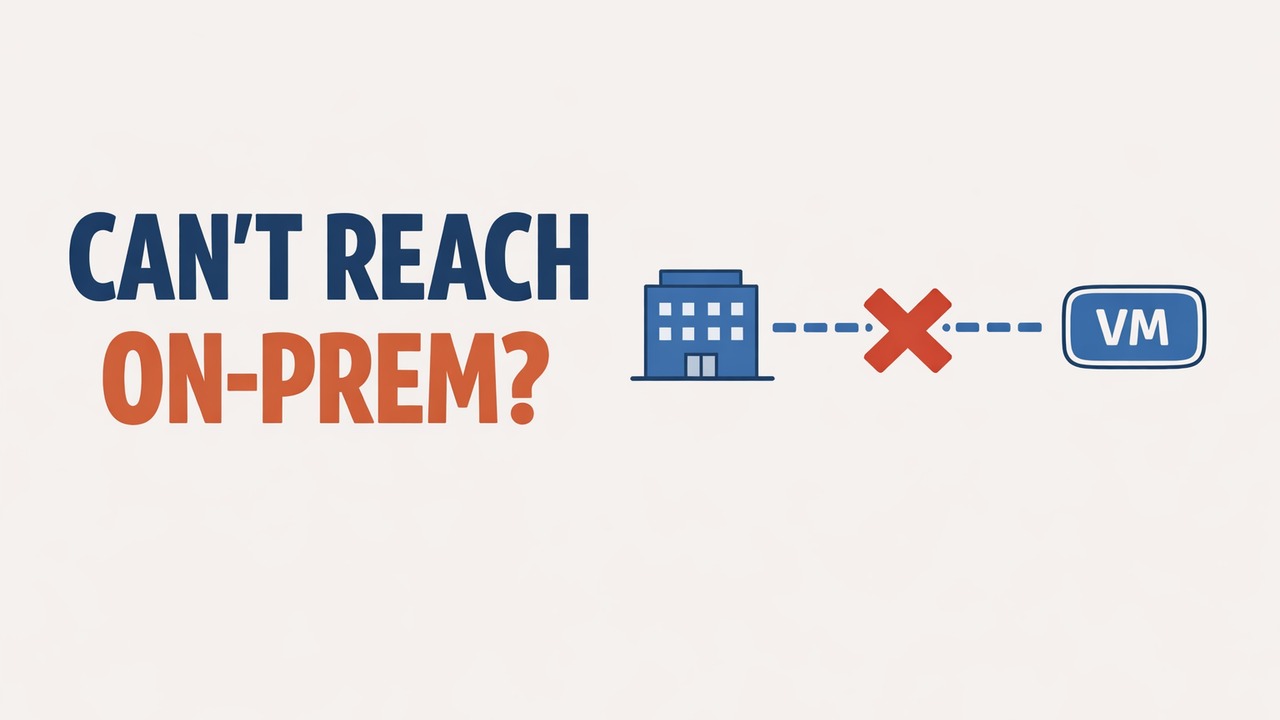
Why Your Azure VM Can't Reach On-Premises: VPN vs ExpressRoute, Packet by Packet
One packet from an Azure VM to the office, four times: no gateway, a site-to-site VPN, ExpressRoute next to it, and ExpressRoute unavailable. Routes, encryption, redundancy and prices.
Oct 6 -
The Local Network Gateway Isn't a Gateway: Azure Hybrid Networking Terms
Azure hybrid networking words in one map: GatewaySubnet, VPN gateway, local network gateway, IPsec and IKE, peering location, MSEE, circuit, MPLS and BGP.
Oct 6 -
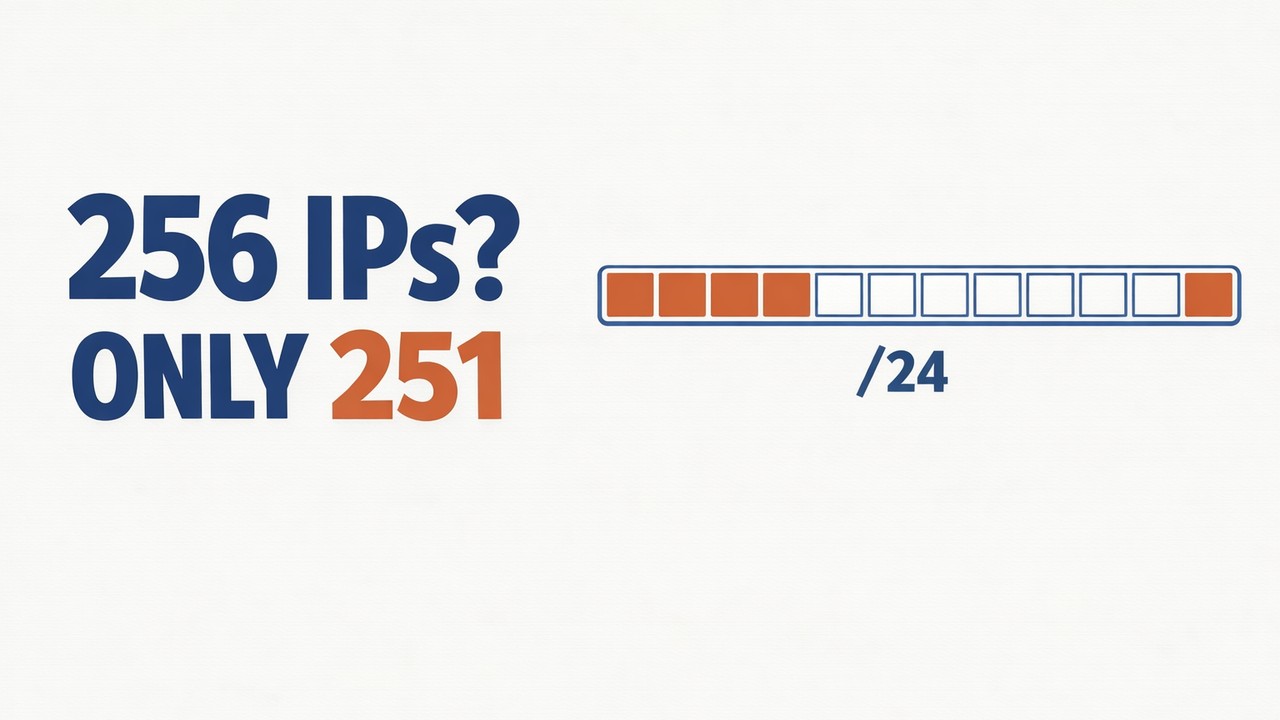
Azure CIDR & Subnets: Why You Can Use Only 251 of 256 IPs in a /24
Azure networking from the ground up: CIDR, the five addresses Azure reserves in every subnet, system routes, longest prefix match and DNS, traced with three packets.
Oct 5 -
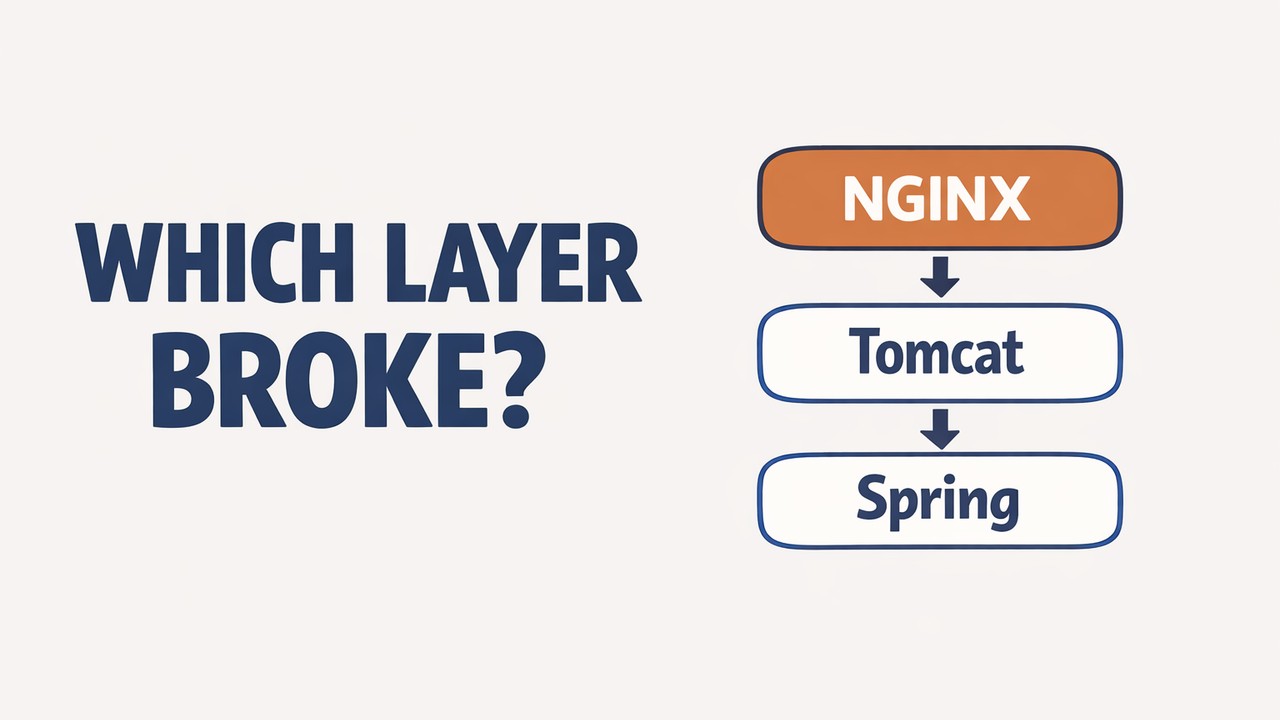
Tomcat vs NGINX: What Each Does and Why Spring Boot May Need Both
NGINX and Tomcat do different jobs. One request through both, and the three failures that tell you which layer broke: 413 on upload, a chunked AI stream, and 60 seconds of silence.
Oct 4
New breakdown weekly. Watch the videos and subscribe for the next one.
▶ Subscribe on YouTube